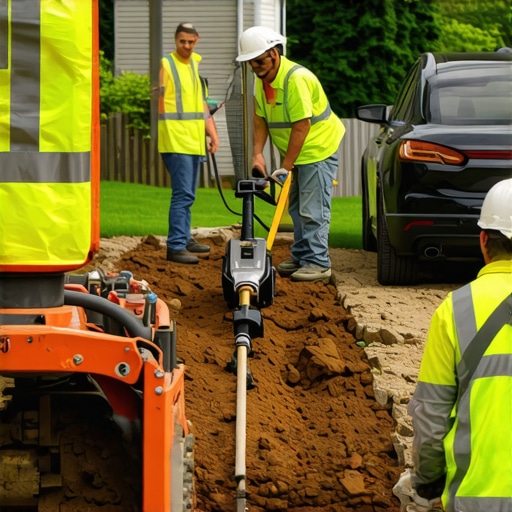

The 2026 EV Trenching Rule Most Homeowners Get Wrong
It was late evening when I discovered the hard way how a small oversight in my EV trenching plan could turn into a costly nightmare. I thought I had everything covered—permits, proper wiring, detailed plans. Yet, when my electrician started digging, everything went awry because I overlooked one crucial detail about the upcoming 2026 EV trenching rule. That moment of realization hit me hard: the regulations are more complex and unforgiving than I initially thought.
Why the 2026 EV Trenching Rule is a Game-Changer
Every homeowner planning to install an electric vehicle charger needs to understand the 2026 trenching rules. These regulations are designed to enhance safety and ensure that your home’s electrical system can handle the increased load. But here’s the catch: many folks, myself included early on, get tripped up by their misunderstanding of what the rule actually entails. Ignoring or misinterpreting these rules can lead to violations, failed inspections, or, worse, safety hazards like fire risks or electrical faults. Recognizing the real impact of these regulations is essential if you want a smooth installation process without headaches or surprises.
Are the 2026 EV Trenching Requirements Overhyped or Absolutely Necessary?
Initially, I wondered if all this fuss about trenching was just bureaucratic red tape. However, credible sources, including [the National Fire Protection Association](https://nfpa.org), emphasize that proper trenching and wiring are vital for preventing electrical fires and ensuring reliable power. My early mistake was underestimating the importance of detailed planning and verifying compliance right from the start. This oversight nearly cost me months of delays and extra expenses. So, if you’ve faced similar doubts or skipped some meticulous planning, you’re not alone. But trust me, understanding and implementing the correct trenching practices is worth every effort—saving you money, time, and potential danger.
In the next sections, I’ll share step-by-step guidance on how to navigate the 2026 trenching rules effectively, so you can confidently move forward with your home EV upgrade without falling into common traps. Ready to get started? Let’s dive into practical solutions that will ensure your installation is safe, compliant, and ready for the future of electric driving.
Plan Your Trenching Path Precisely
Start with a detailed survey of your property to identify underground obstacles. Dig a mock trench using chalk or flags to visualize the route, avoiding existing cables, pipes, or roots. During my project, I marked the trench with spray paint, which helped prevent accidental damage and saved time. Utilizing a professional utility locator service minimizes risks and ensures compliance with local regulations.
Select the Right Wiring Materials and Methods
Choose conduit and cables rated for underground use, such as Schedule 80 PVC conduit and UF-rated cables. Install the conduit with proper bends and avoid sharp turns that could hinder installation or future maintenance. Remember, proper conduit fill and separation from other utilities are critical. I once underestimated conduit diameter and had to redo the entire trench, which was costly—always double-check specs against the NEC code.
Ensure Code Compliance During Installation
Follow the NEC 2026 requirements for depth, spacing, and protection. For example, trench depth must typically be at least 24 inches, and conduit should be anchored every few feet. Incorporate additional features like a disconnect at the panel, which simplifies future troubleshooting. To confirm my installation met all standards, I reviewed the [NEC 2026 code updates](https://brightsparkzelectric.com/how-to-verify-code-compliance-for-your-ev-charger-installation) beforehand, avoiding inspection rejections.
Use Proper Trenching Tools and Techniques
Employ trenchers or shovels suited to your soil type. Use a measuring tape and a level to maintain uniform depth. During my trenching, I used a laser level to ensure the trench was consistent, preventing future water pooling or damage. Always verify the trench dimensions periodically during digging to stay within specifications.
Coordinate with Utility and Inspectors
Notify your local utility company before beginning trenching to prevent accidental damage to existing lines. Schedule inspections at key phases: post-dig, post-rough-in, and before covering. During my project, I learned that early communication streamlined approval and avoided last-minute surprises. Keep detailed records of permits, plans, and inspection approvals for future reference.
Cover and Protect the Installed Trench
Backfill with suitable material—preferably native soil free of debris. Compact the soil in layers to avoid settling. Install warning tapes above the conduit if mandated. After completing, conduct a final inspection to ensure the trench is secure and compliant. Proper backfilling prevents ground shifting that could damage wiring, which I found out the hard way when a loose cover caused a trip hazard weeks later.
Many homeowners and even seasoned electricians often overlook critical nuances when troubleshooting EV chargers or upgrading panels for future-proofing. Contrary to popular belief, following the code alone isn’t enough; understanding the subtleties can make or break your installation. One common myth is that merely meeting the minimum code requirements ensures safety and reliability, but in reality, minor oversights—like improper load calculations or neglecting harmonics—can cause significant issues later. For example, installing a high-capacity charger without considering panel capacity or existing load can lead to frequent breaker trips, misdiagnosed as device faults rather than systemic oversights. This misjudgment delays troubleshooting and can pose safety hazards.
What Advanced Troubleshooting Techniques Are Usually Overlooked by Professionals?
Advanced troubleshooting involves more than checking connections; it requires analyzing system harmonics, grounding integrity, and load balancing. Studies conducted by the National Electrical Code highlight that improper grounding still ranks as a leading cause of faults in EV charger setups. Ensuring correct grounding and selecting appropriate surge protection can prevent session-abort faults and improve longevity. When diagnosing issues like inconsistent power delivery or random disconnects, many skip detailed load calculations or neglect to verify that your panel can handle simultaneous EV loads. If you’re unsure whether your upgrade adheres to these advanced standards, it’s worthwhile to consult experts or review detailed guidelines on ensuring code compliance, which is more complex than ticking boxes—it’s about understanding your system’s unique nuances. Don’t forget, integrating the right components—like dedicated circuits or multi-port panels—can dramatically reduce troubleshooting headaches and future-proof your system. For in-depth tips on verifying your setup’s compliance, check out [this comprehensive guide](https://brightsparkzelectric.com/ensuring-code-compliance-when-installing-ev-chargers). Have you ever fallen into this trap? Let me know in the comments.
Keep It Reliable: My Favorite Tools for EV Charger Maintenance
Ensuring your EV charger stays operational over the long haul requires using the right equipment and software. I personally rely on a combination of high-quality testing tools and diagnostic apps to quickly identify and resolve issues. For instance, a Clamp Meter is indispensable for verifying circuit loads and ensuring that your wiring handles the maximum expected current without overheating. I prefer the Fluke 376 FC because of its reliability and Bluetooth connectivity, which allows me to log measurements and analyze trends over time.
Another essential is a Megohmmeter (or insulation resistance tester). This device helps me regularly check the insulation integrity of cables and conduits, preventing future faults. I recommend models like the MegohmMeter from Klein Tools, which combines durability with precision. Periodic insulation checks, especially after panel upgrades or heavy usage, prevent dangerous faults and ensure compliance with safety standards.
Software That Keeps Your System Up and Running
Beyond physical tools, I utilize specialized diagnostic apps compatible with my EV charger brand. These apps provide real-time data on charging sessions, voltage levels, and error codes, enabling me to preemptively catch issues before they lead to outages. For example, the Troubleshooting EV Charger Connectivity Problems guide is excellent for understanding common software glitches. Regularly reviewing logs and error reports helps me maintain optimal performance and plan for necessary upgrades.
Scheduling Preventative Checks
To extend the lifespan of my system, I set a quarterly maintenance schedule. This includes verifying grounding, checking for corrosion at the panel, and inspecting conduit runs. Using a visual inspection combined with my multimeter ensures that wiring remains sound and that no degradation affects safety or function. During this process, I routinely apply dielectric grease to connectors to prevent moisture ingress, which can cause intermittent faults.
Anticipating Future Trends in Maintenance
Looking ahead, remote monitoring tools are poised to become standard. IoT-enabled sensors and smart appliances will allow homeowners and professionals to receive alerts about potential issues instantly. This means less downtime and more proactive management, even when you’re miles away from home. Staying ahead in maintenance means embracing these technologies now—consider integrating smart monitoring into your setup to catch problems early and ensure your EV charging station remains dependable.
How Do I Maintain My EV Charging System Over Time?
The key to long-term reliability is a combination of regular physical inspections, using the right diagnostic tools, and staying informed about the latest safety standards. I highly recommend trying out a high-quality multimeter with data logging capabilities—this small investment can save you hours of troubleshooting later. Additionally, review your system periodically against the expert troubleshooting tips for safe power to ensure everything remains up to code and safe to operate. Consistent maintenance not only prolongs equipment life but also guarantees that your home stays prepared for the demands of future EV models and increased charging loads.
What I Wish I Knew Before Digging Deep
One of the most valuable lessons I learned was the importance of reviewing the latest NEC guidelines thoroughly before starting any trenching work. Initially, I underestimated the complexity of the 2026 regulations, which led to costly reworks and delays. That experience taught me to prioritize understanding every detail about depth, separation, and protective measures—these small details can make a big difference in compliance and safety.
Another insight was the significance of early communication with local utility companies and inspectors. Engaging them at the planning stage can uncover potential conflicts and streamline approvals. My oversight in this area almost cost me weeks of setbacks, but now I see how building those relationships is a key part of successful installation.
Finally, I realized that proper documentation, including permits, inspection approvals, and detailed plans, isn’t just bureaucratic red tape—it’s your safety net. Well-organized records ensure your project remains compliant and ready for any unforeseen inspections or queries, giving you peace of mind and protecting your investment.
My Go-To Resources for Smooth EV Charging Expansion
- NEC Codebook: The foundational resource that keeps me aligned with safety standards. I trust the latest revisions for accurate guidance on trenching and wiring specifications, especially with the upcoming 2026 updates.
- BrightSpark Electric’s Expert Guides: Their articles, like troubleshooting tips for reliable power, are my go-to for practical insights and troubleshooting strategies that save time and reduce frustration.
- Utility Locator Services: Partnering with local utility companies ensures underground lines are identified accurately, preventing hazards and costly mistakes during trenching.
- Professional Tools: High-quality trenching equipment and testing devices like clamp meters and insulation testers, which I rely on for precise installation and ongoing maintenance.
Be Proud of What You Can Achieve
Take confidence in mastering the nuances of EV trenching and code compliance. Every successful upgrade, big or small, gets you closer to a sustainable future and safer home environment. Remember, each step uniquely contributes to the bigger picture of reliable, safe, and future-proof EV charging. Embrace the challenge, learn from each experience, and don’t hesitate to reach out—your best upgrade may be just one smart decision away. Have you encountered a tricky trenching or code compliance challenge? Share your story below, and let’s learn together.